
 TechBuzzard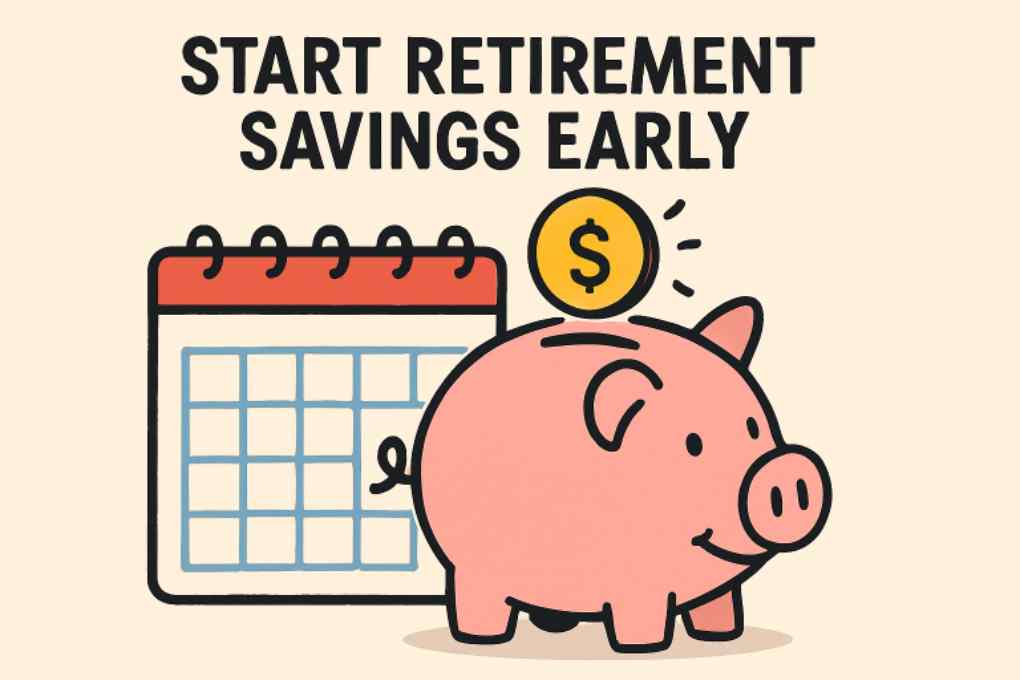
Key Takeaways
- Start planning for retirement as early as possible to maximize your ability to build wealth and security.
- Employer-sponsored plans like 401(k)s, including a 401(k) plan from ADP, can offer significant tax benefits and employer contributions.
- Seeking professional guidance, maximizing contributions, and diversifying savings options improve retirement outcomes.
- Regularly reassess your strategy to ensure it stays aligned with your financial and life goals.
Understanding the Importance of Early Planning
Thinking ahead about retirement is one of the smartest financial decisions you can make. The earlier you start saving, the more you can harness the power of compounding interest, making it easier to reach your long-term retirement goals. Even small, regular contributions made in your twenties or thirties can grow exponentially by the time you’re ready to retire. With options like a 401(k) plan from ADP, you gain access to valuable tax advantages and, often, employer matching contributions, boosting the potential for expansive financial growth.
Early planning also provides a safety net, allowing you to weather economic downturns, adjust your investment strategies as needed, and maintain financial stability. Breaking down the process—estimating future expenses, projecting retirement income, and regularly reviewing your strategy—helps simplify retirement readiness, making long-term security manageable and achievable.
Setting specific milestones, creating a disciplined budget, and reviewing your progression annually can make the process more approachable. According to experts at Forbes, segmenting tasks and tracking progress can significantly reduce financial anxiety and enhance confidence in your retirement readiness plan.
Consistent savings, combined with early planning, allow for greater flexibility—enabling you to adjust contributions, shift investment allocations, or reassess retirement goals as your situation evolves. The more time you have on your side, the easier it is to build a well-funded, reliable nest egg for the future.
Exploring Employer-Sponsored Retirement Plans
Employer-sponsored retirement plans, such as 401(k)s and 403(b)s, offer generous benefits, including pre-tax contributions, potential employer matches, and higher contribution limits compared to standard IRAs. Automatic payroll deductions simplify saving and encourage consistency, making the process nearly effortless for employees. When considering new job opportunities, it’s essential to carefully review a company’s retirement plan offerings, including plan fees, vesting schedules, and investment options to maximize long-term benefits.
Why These Plans Matter
While offering significant tax-deferred growth and, often, “free” money from employer matches, not all workers have access to these plans. According to The Wall Street Journal, approximately 41% of full-time U.S. workers don’t have an employer-sponsored retirement plan, which disproportionately affects those with lower incomes or those working for smaller companies. Staying informed about your options ensures that you can take full advantage of them when they become available.
Maximizing Contributions and Catch-Up Options
To maximize retirement savings, it’s wise to contribute as much as possible to your workplace retirement plan. In 2024, employees can contribute up to $23,000 to a 401(k) plan, with those aged 50 or older eligible to make an additional $7,500 in catch-up contributions. Raising your contribution rate whenever you receive a raise or bonus—even by just 1%—can translate into substantial growth by retirement. Not only does this build your long-term wealth, but it also provides the immediate advantage of reducing your taxable income each year.
Seeking Professional Financial Guidance
Partnering with a financial advisor can make a significant difference in your retirement outcomes, especially when markets are volatile or life priorities change. Advisors help tailor strategies by factoring in your specific goals, risk tolerance, and time horizon, and they’re especially valuable following milestones like marriage, divorce, or inheritance.
Financial planning support is now considered one of the most valuable employee benefits, with nearly 70% of HR professionals endorsing its importance, according to a recent Morgan Stanley study. Seeking professional advice can help you avoid costly mistakes and keep your retirement plan on course.
Considering Alternative Retirement Savings Options
If you don’t have access to a traditional employer plan, alternative options abound. Traditional and Roth IRAs, SEP IRAs (for freelancers and small business owners), and certain annuities all provide useful ways to grow retirement savings. Each type of account has specific tax implications, contribution limits, and withdrawal rules, so it is crucial to compare them carefully. To explore all potential options, the IRS Retirement Plans page is a valuable resource.
Addressing Healthcare and Long-Term Care Costs
Healthcare expenses are among the largest costs retirees face. Trickier still, these costs can be unpredictable and, at times, overwhelming—especially when long-term care or major health events are involved. Beyond Medicare, supplemental and long-term care insurance policies can be indispensable in safeguarding your nest egg. Additionally, utilizing a Health Savings Account (HSA) during your working years allows for tax-free growth earmarked specifically for future medical expenses.
A proactive approach to healthcare planning prevents financial shocks and ensures your retirement funds are preserved for their intended purpose. According to Kiplinger, addressing these costs head-on is essential to avoid depleting your resources later in life.
Developing a Comprehensive Retirement Income Strategy
Diversifying your income sources is central to a reliable retirement plan. Blending Social Security, pensions, employer plans, IRAs, and taxable investments provides stability and protection against market shifts or changes in government benefits. Planning how and when to withdraw from each account, while balancing growth and tax efficiency, can significantly extend your financial longevity.
Regularly Reviewing and Adjusting Your Plan
Retirement planning is not a set-and-forget process. Major life events, evolving financial markets, or changes in your retirement vision require annual reviews of your investments, contributions, and withdrawal plans. Minor adjustments, such as reducing risk as you approach retirement or rebalancing your portfolio after substantial market shifts, help keep your plan on track and your long-term goals in focus.
Government resources, such as New York City’s “Road to Retirement” guide, offer clear, actionable checklists to streamline annual reviews and simplify the planning process for individuals at all income levels.
By making the most of employer-sponsored plans, maximizing contributions, leveraging professional advice, and periodically assessing your strategy, you can set the stage for a retirement that delivers both financial security and lasting peace of mind. Proactive and consistent action today paves the way for a comfortable and fulfilling tomorrow.
Final Thoughts
Planning for retirement is a long-term commitment that pays dividends when approached thoughtfully and proactively. Leveraging employer-sponsored plans, such as a 401(k) from ADP, maximizing contributions, and exploring alternative savings options provides a strong foundation for financial security. Coupled with professional guidance, regular reviews, and careful consideration of healthcare and long-term care costs, these strategies ensure that your retirement plan remains aligned with evolving goals and life circumstances. By taking deliberate steps now, you can build a resilient, well-funded nest egg that supports a comfortable and fulfilling retirement.